

Voices of Celiac Disease
NIH Grant Funded Project by Rikki A. Roscoe
Celiac Disease (CeD) is a chronic autoimmune disease characterized by small intestinal inflammation and damage from gluten ingestion. CeD impacts 1 in 100 people worldwide, including 3 million Americans (Celiac Disease Foundation, n.d.). Like many other autoimmune diseases, diagnosis is more common in women than in men. It is estimated that up to 83% of Americans who have CeD are undiagnosed or misdiagnosed (Beyond Celiac, 2024). This is concerning, considering delayed diagnosis can lead to reproductive conditions, neurological disorders, cancer, and other autoimmune diseases. Because CeD remains incurable, condition management, which involves strict adherence to a gluten-free diet (GFD), is of the utmost importance. However, only 30-50% of patients maintain a good adherence to a GFD (Mehtab, 2024). Ultimately, investing in disease management and broadening our understanding of the factors that limit a GFD is vital. The social dimensions of CeD are often overlooked despite having major implications for disease management and overall well-being. Thus, using a communication perspective and a variety of methods, including photovoice (using photography in tandem with interviews to help people document, reflect on, and share their experiences), this project explores various facets of people’s lived experiences and management of CeD, including disclosure, disease-related misconceptions and stigma, and (un)helpful social support. Indeed, CeD requires constant disclosure of an invisible condition to others (partners, employers, and strangers). Further, a GFD is stigmatized as a ‘fad’ diet and may not be taken seriously by others, which may be especially impactful for women who may face unique gendered social sanctions. Finally, people with CeD may lack social support or receive unhelpful support as a result of misconceptions and a lack of education about the disease. All of these social factors contribute to poor disease management, increased risk for expensive comorbidities, and decreased quality of life. Ultimately, this project will inform educational and destigmatizing campaigns and best practices for disclosure and social support. These practical implications can lead to greater awareness and education as well as better coping and diet adherence.
Employees’ Descriptions and Management of Power-Laden Stigma in Sexual and Reproductive Healthcare at Planned Parenthood
Doctoral Dissertation by Rikki A. Roscoe
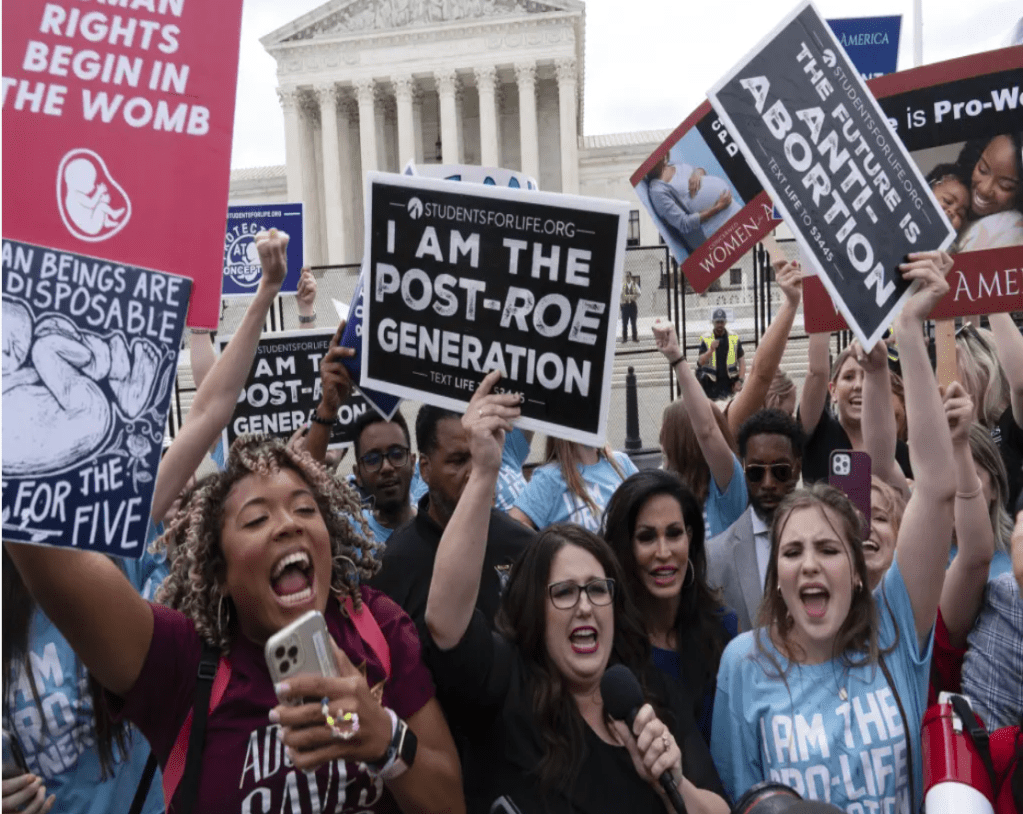
Despite providing vital sexual and reproductive healthcare for over 100 years, the U.S. Planned Parenthood (PP) organization has remained highly contested, making it difficult for the organization to attain its mission of providing “care, no matter what.” The current study took a critical-interpretive health communication approach to examine how healthcare employees experienced and managed power-laden stigma related to working in a core stigmatized organization – PP. Data was collected through in-depth interviews with 27 U.S. PP employees approximately one month after the fall of Roe v. Wade and analyzed using the phronetic iterative approach. Ultimately, PP employees described four stigmatizing constructions of the organization that impacted employees and patients: 1) PP as abortion provider, 2) PP as white supremacist, 3) PP as covert capitalist, and 4) PP as shallow activist. PP employees’ management of multiple power-laden stigmas depended on whether their stigmatized identity was discredited or discreditable (Goffman, 1963), that is, known or unknown. Employees were discredited in the workplace, where their stigma management responses were often impacted by organizational policy or the need to remain professional in patient-provider interactions. Employees were discreditable outside of the workplace. In this case, employees engaged in a stigma appraisal process, a new concept where a stigmatized individual considers several internal and external factors in deciding whether to disclose their stigmatized identity. In addition, employees managed stigmatizing discourses and structural stigma. This study contributes to communication scholarship by advancing stigma management theorizing and developing new stigma concepts, including stigma appraisal, synecdochical stigma, and the abortion stigma hierarchy. Further, the results have the ability to inform destigmatizing campaigns, organizational practices, and employee training that can improve conditions for employees working in stigmatized organizations and improve patient-provider communication surrounding stigmatized healthcare. Ideally, these contributions can ensure that PP not only provides “care, no matter what” but effective care.
Examining the Nature and Impact of Stigma Among U.S. Latinos
A Series of Studies by Alcides Velasquez & Rikki A. Roscoe
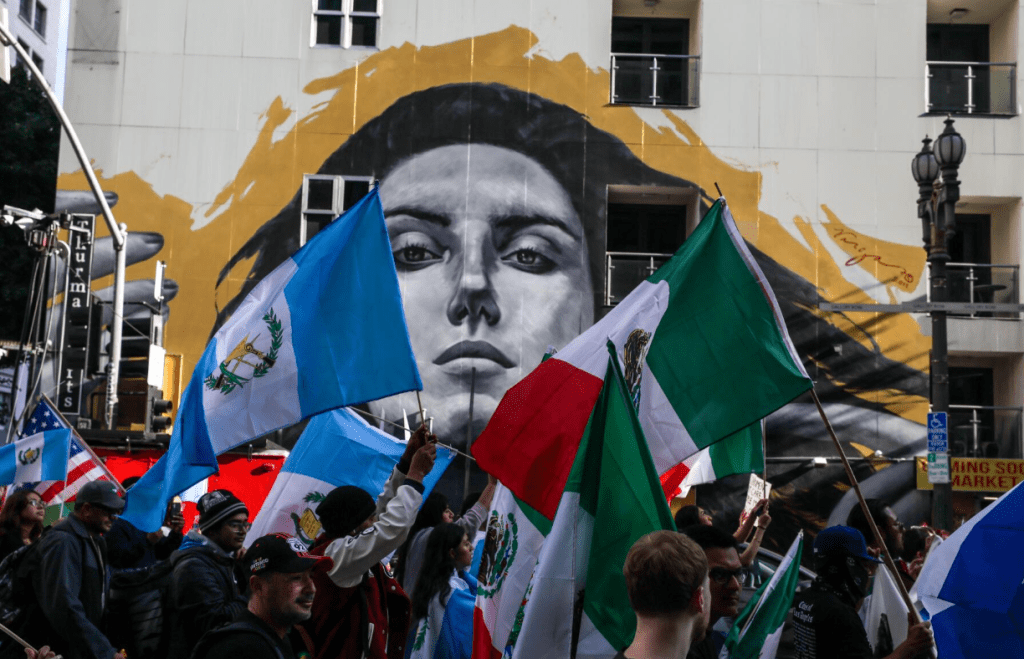
This multi-study research project investigates how stigma, as both a communicative and structural force, shapes the lived experiences of Latinos in the United States. Although Latinos comprise nearly one-fifth of the U.S. population and represent the largest racial and ethnic minority group, they continue to be constructed through a narrow lens centered on immigration and foreignness. This framing persists despite the community’s internal diversity in national origin, citizenship status, and generational standing, and it positions even U.S.-born Latinos as conditional members of the national community. Across three studies, the project integrates qualitative, content analytic, and experimental approaches to examine how stigma operates and with what consequences. It explores how Latinos experience and manage stigma rooted in neoliberal logics, how institutional and media actors deploy stigmatizing messages to marginalize the Latino community, and how these dynamics shape political engagement within hostile sociopolitical contexts. In doing so, the project advances a nuanced account of how stigma can both constrain and catalyze responses among marginalized populations.
 RIKKI A. ROSCOE, PH.D.